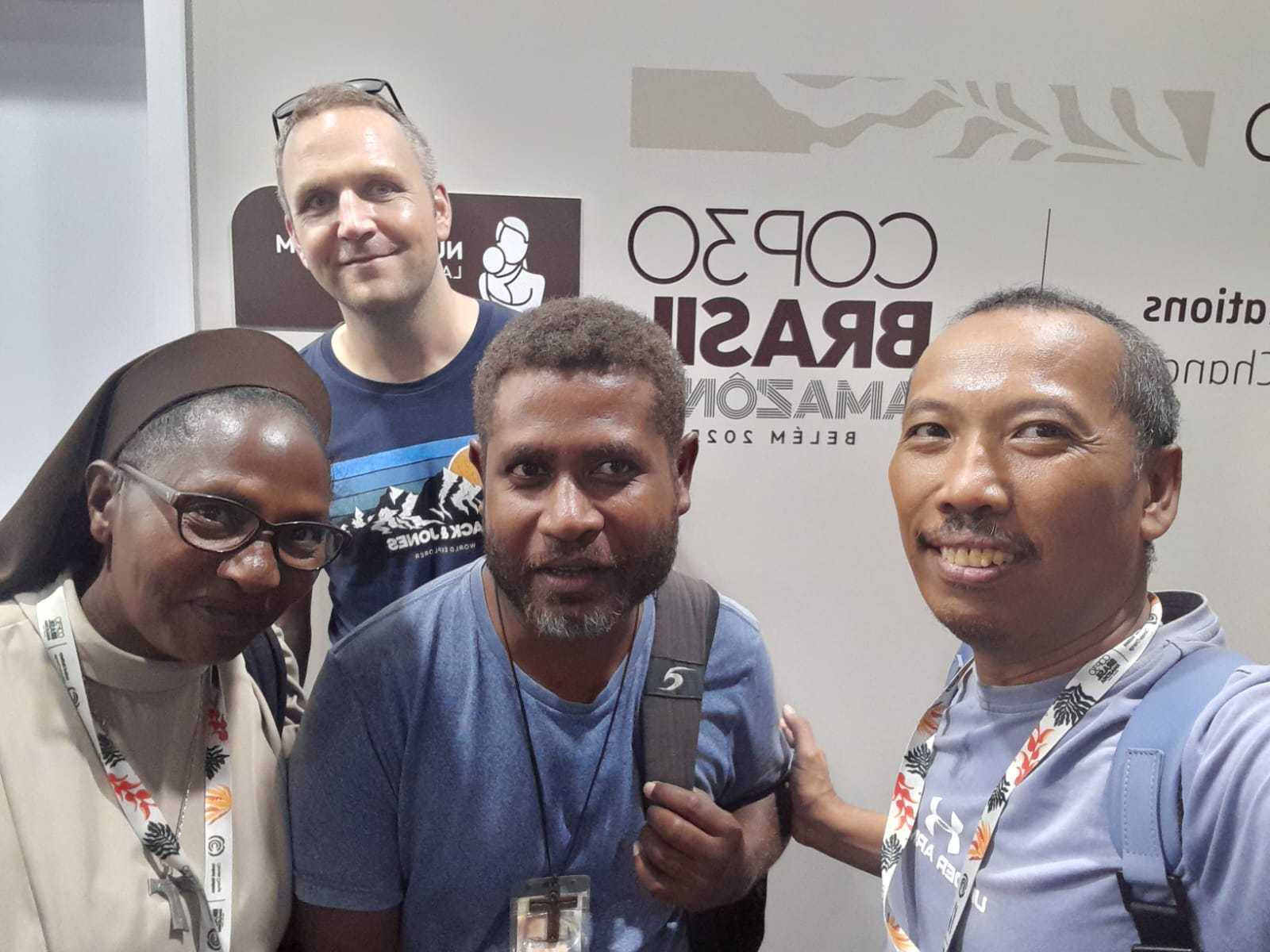
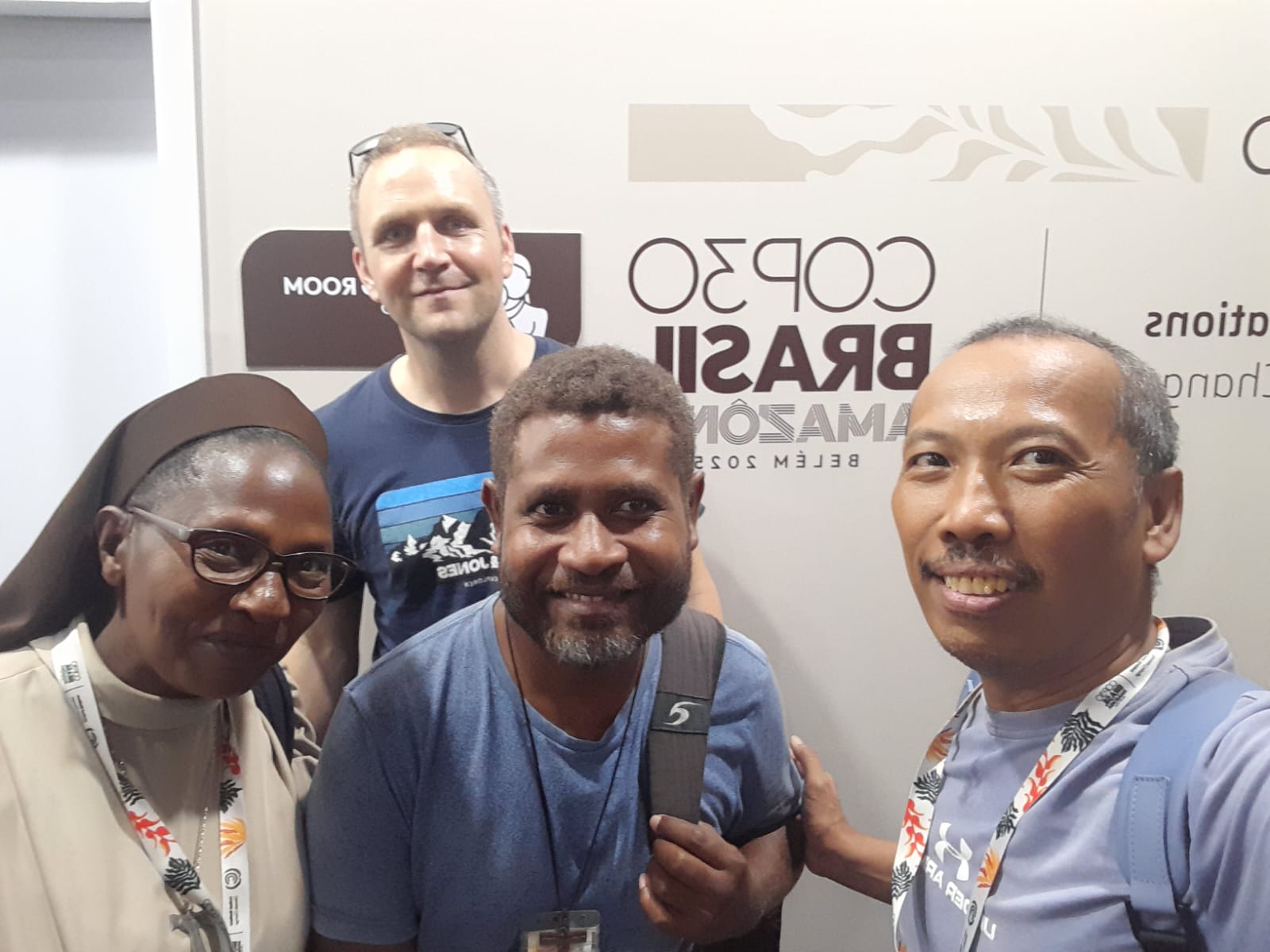
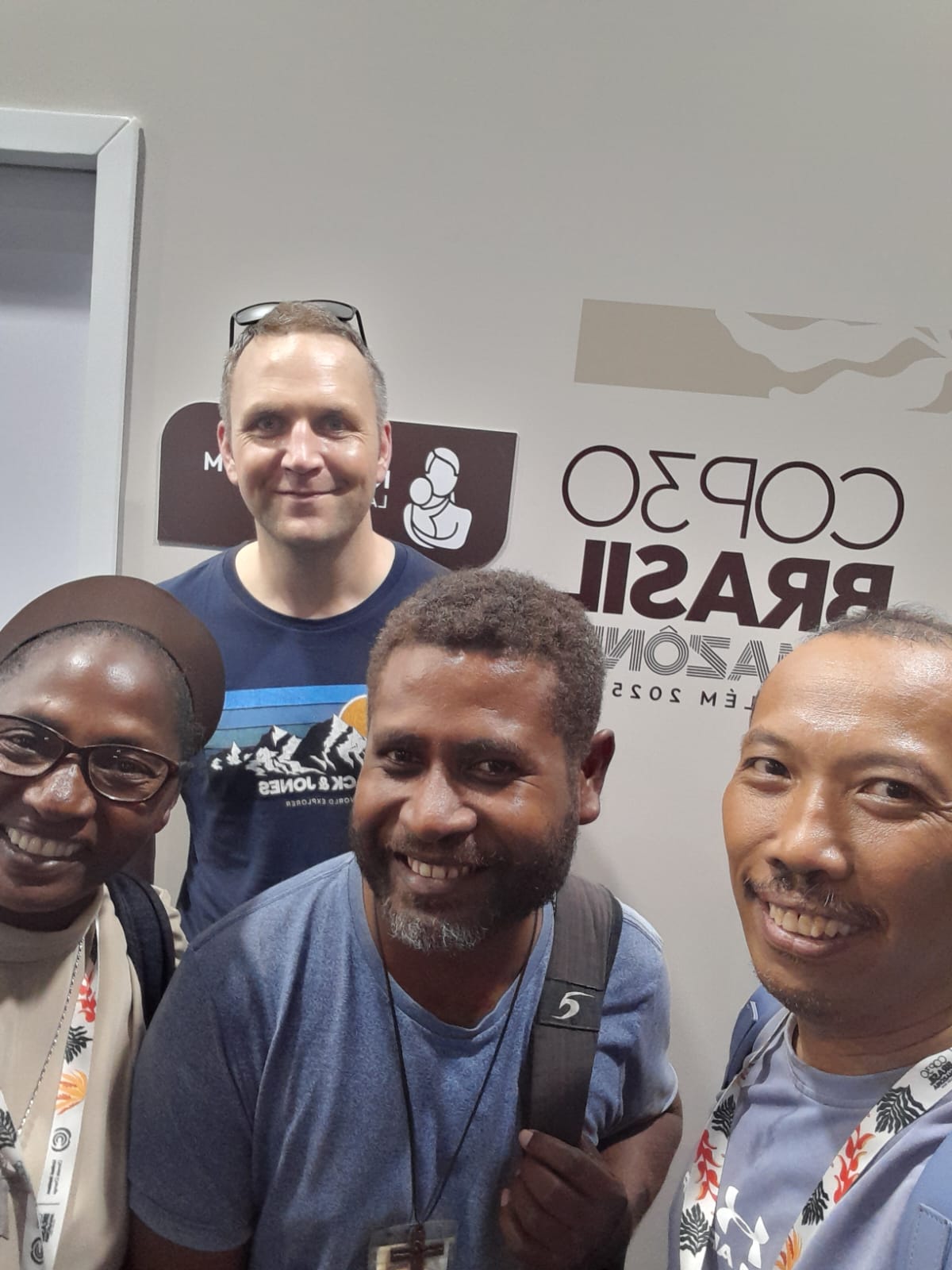
COP 30; FAITH VOICE IN BELEM
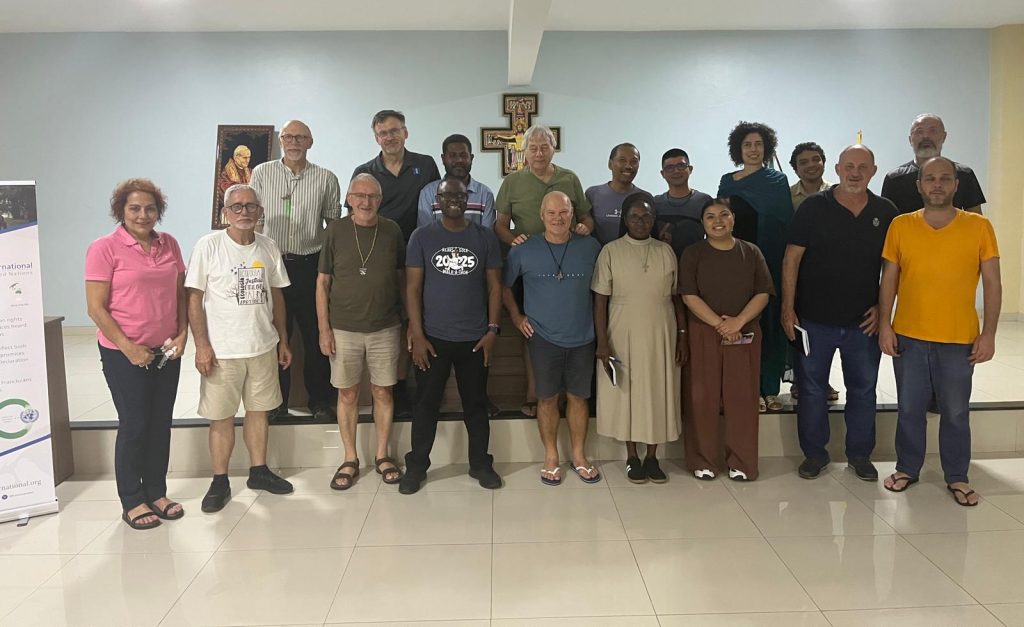
Faith Leaders at the Frontline of COP30
Over the years we had entrusted our Government officials to represent our voice, A mandate they have failed and turned to be for their own personal gains. They have spearheaded most of the dialogues and dissuasions which in turn have yielded little or nothing for the local communities and our common home.
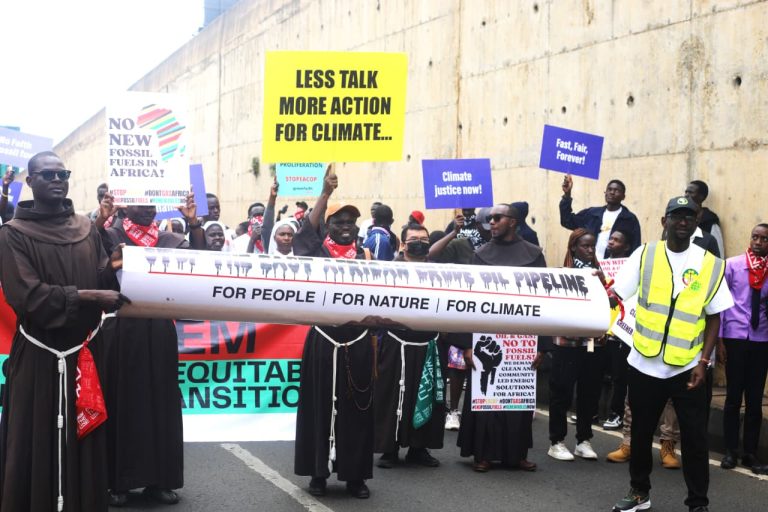
This has awaken the faith community not because they have lost trust in the government, civil society organisations, activist and other representatives but to bring a diverse faith driven perspective in the dialogues. In Belem for COP30 faith actors have united with the indigenous and local communities who are deeply affected by the effects of climate change to champion for what is best for the communities, biodiversity, humanity and the planet.
They Show Up for People, Not Profits
Here’s the thing about most people at these climate conferences: they’re representing something. A country’s economic interests. A corporation’s bottom line. A political party’s agenda. But faith communities? They walk into those rooms representing actual people—the vulnerable, the forgotten, the ones who don’t have lobbyists or PR teams.
When a pastor from a drought-stricken region stands up to speak, they’re not calculating political points. They’re thinking about the families in their congregation who are struggling. When an imam talks about climate justice, it’s because they’ve buried community members who died in floods. This isn’t abstract for them. It’s personal.
And in a space where everything can feel transactional, that moral clarity is like fresh air.
Faith in Action
While diplomats argue over policy language, faith communities are opening their doors during hurricanes, running the food relief campaigns when crops fail, organizing youth groups to plant trees and clean rivers and are not waiting for perfect international agreements they’re responding to the crisis happening right now, in their neighborhoods and communities. Over the years churches have became shelters during wildfires and mosques distribute water during heat waves, temples organize climate education programs.
Faith leaders aren’t just talking about climate action. They’re living it, often with far fewer resources than governments or corporations.
They Carry Stories That Numbers Can’t Tell
Climate data is crucial. We need the science, the measurements, the projections. But here’s what a graph can’t show you: the look in a farmer’s eyes when they describe watching their family’s land turn to dust. The tremor in a young person’s voice when they talk about not wanting to bring children into this world. The quiet grief of Indigenous elders watching their sacred forests disappear.
Faith communities carry these stories. They know the names, the faces, the lived realities behind every statistic. When they speak at COP30, they’re not just presenting data points—they’re bearing witness. And that kind of testimony has a power that no PowerPoint presentation can match.
They Connect the Dots Between Global and Local
You know what’s hard? Translating a 200-page international climate agreement into something that makes sense in a small farming village. But faith leaders do this all the time. They’re already trusted voices in their communities. They speak the local language—literally and figuratively. They understand both the spiritual and practical needs of their people.
When global commitments need to become local action, faith networks are often the bridge. They can mobilize thousands of people, not through top-down mandates, but through relationships and trust built over years, sometimes generations.
They’re Not Afraid to Call Out governments and businesses.
And let’s be real—there’s a lot of it. Governments make grand promises at these summits, then quietly do nothing. Companies greenwash their image while continuing business as usual. Someone needs to point this out, loudly and clearly.
Faith leaders are increasingly embracing what they call “ethical shame”—publicly exposing the gap between climate promises and actual action. They’re not being polite about it anymore. They’re training community members to hold their governments accountable, to ask tough questions, to demand that negotiations serve people, not political convenience.
There’s something powerful about moral authority that doesn’t depend on being re-elected or maintaining market share. Faith leaders can afford to tell uncomfortable truths because their loyalty is to something bigger than politics.
The Amazon Is Calling
COP30 happening in Belém isn’t random. The Amazon is burning. Indigenous peoples who’ve stewarded that land for millennia are watching their home—and the world’s lungs—be destroyed. If there was ever a time to center Indigenous wisdom and faith perspectives, it’s now.
Faith communities understand what Western science is finally catching up to: we’re not separate from nature. We’re part of it. The climate crisis isn’t just about carbon parts per million—it’s about broken relationships. With the Earth. With each other. With the future.
This is not Religion vs. Science
Some people worry that bringing faith into climate discussions means abandoning science. That’s not what anyone’s suggesting. Faith leaders aren’t denying climate data or proposing prayer instead of emissions reductions.
What they’re adding is the “why” and the “for whom.” Science tells us what’s happening and what we need to do. Faith asks: What do we owe each other? What does justice look like? What kind of world do we want to leave behind? These aren’t competing questions—they’re essential companions.
Think of it this way: science gives us the map, but faith helps us remember why the journey matters and who we’re traveling for.
We Need Every Voice
I’ll be honest I’m tired of climate conferences that feel disconnected from reality. I’m tired of watching powerful people make decisions that will never affect them while vulnerable communities bear the consequences. I’m tired of solutions that look good on paper but ignore the people they’re supposed to help.
Faith actors being at the frontline of COP30 matters because they refuse to let that disconnect continue. They’re bringing the voices of real people into rooms where decisions about their futures are being made. They’re demanding that moral responsibility match up with political rhetoric. They’re doing the hard work of climate action in communities around the world, whether anyone’s watching or not.
This isn’t about giving religion special treatment. It’s about recognizing that climate change is fundamentally about people—how we treat each other, how we share resources, how we honor the Earth, how we think about justice and responsibility. And faith communities have been wrestling with these questions for thousands of years.
At the “People’s COP,” maybe we should actually listen to the people. And the faith leaders who stand with them, day in and day out, in the trenches of this crisis.
Because if we’re going to get through this, we need more than technical solutions. We need hope. We need community. We need people who remember that every number in a climate report represents a human life worth fighting for.